What we do
Artificial grass is a manufactured surface with its own failure modes. It needs treating like flooring, not like a lawn.
Service 01 of 06
Deep clean & pile restoration
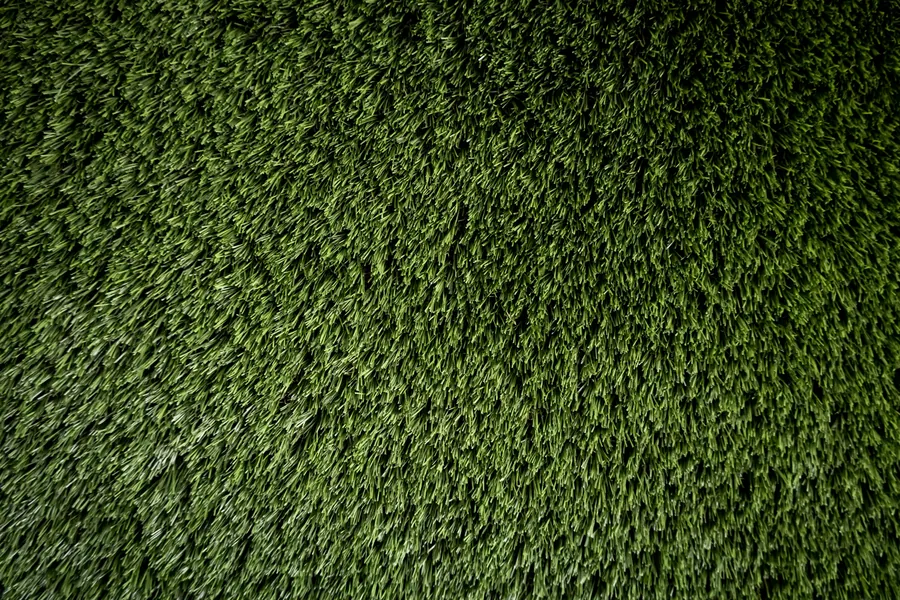
The core service. Clear what has worked down into the pile, then power brush the whole lawn to lift fibres crushed flat by weather and foot traffic.
This is the job most lawns actually need. We clear the debris that has worked its way down into the pile, then power brush the whole lawn to lift fibres that have been crushed flat by weather and foot traffic. Most lawns look several years younger by the end of it.
The order matters. Brushing a lawn before the debris comes out just drives it further into the infill, which is where it does the damage.
What it covers
- Full debris extraction from the pile
- Counter-rotating power brush
- Pile lift across the whole lawn
- Perimeter and edge check
- Final groom so the pile sits evenly
- Condition report on the day
What it covers
- Antibacterial treatment, full surface
- Breaks down the organic layer
- Reduces discolouration
- Safe once dry
- Clearance time explained on the day
- Pairs with the odour treatment
Service 02 of 06
Sanitising treatment
An antibacterial treatment across the full surface. The grass does not rot, but everything that lands on it does.
Artificial grass doesn't rot, but everything that lands on it does. That organic layer is what makes a lawn smell and discolour, and it sits in the infill where brushing alone will not reach it.
The treatment goes across the full surface, not just the areas that look worst.
Service 03 of 06
Pet odour treatment
An enzyme treatment that breaks down the residue causing the smell rather than perfuming over it.
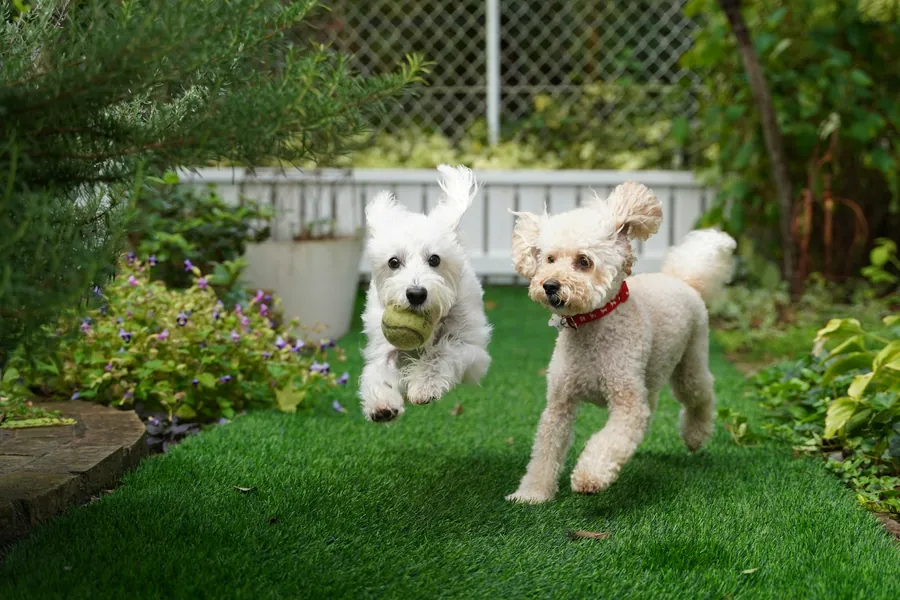
An enzyme treatment that breaks down the residue causing the smell rather than perfuming over it. Essential on any lawn a dog uses regularly, and the difference is most obvious in warm weather.
Masking products smell fine for a fortnight and then the problem comes back, because the source is still in the infill.
What it covers
- Enzyme treatment, not a fragrance
- Targets the residue in the infill
- Most noticeable in warm weather
- Safe for pets once dry
- Recommended on every dog-used lawn
- Repeat as part of a plan
What it covers
- Surface moss and algae treatment
- Perimeter and joint weed control
- Advice on drainage and shade
- Best done before the wet months
- Stops edges being lifted
- Common on north-facing lawns
Service 04 of 06
Moss, algae & weed control
Treating growth on the surface and along the perimeter joints, where weeds root and gradually lift the edges.
Moss and algae are a maintenance problem while they are green and a safety problem once the lawn turns slippery. Shaded and north-facing lawns need this most, and riverside gardens need it every year.
We treat the perimeter joints as well as the surface, because that is where weeds root and slowly lift the edges of an installation.
Service 05 of 06
Sand infill top-up
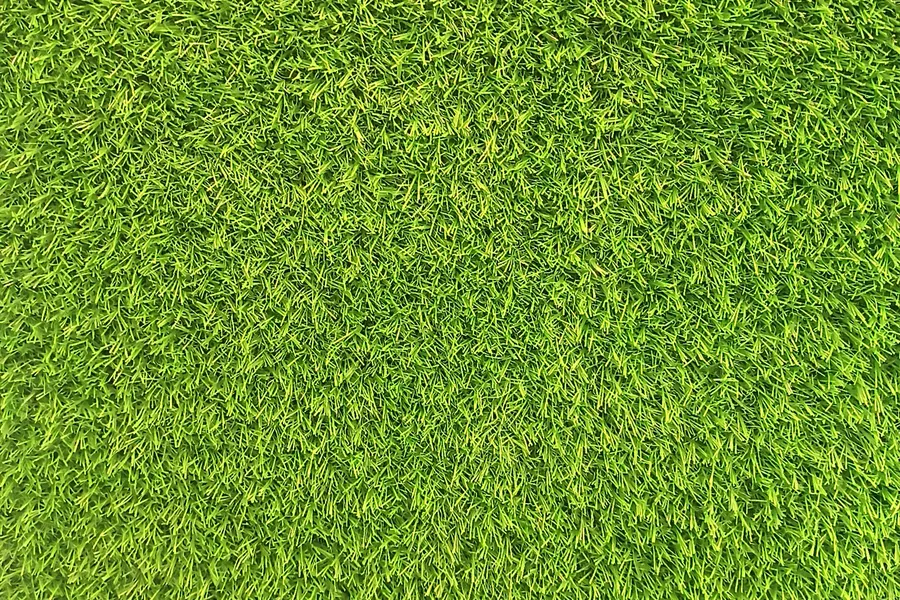
Kiln-dried silica sand brushed back into the pile, so the fibres are supported and stand up properly.
Infill migrates over time. Without it the fibres lose their support, wear faster and stop standing up properly, which is what makes an otherwise sound lawn look finished.
We brush kiln-dried silica sand back in wherever the level has dropped, then groom the pile so it sits evenly.
What it covers
- Kiln-dried silica sand
- Brushed back through the pile
- Restores fibre support
- Slows wear considerably
- Levels checked across the lawn
- Usually paired with a deep clean
What it covers
- Lifted seams re-fixed
- Loose perimeter edges secured
- Small damaged sections patched
- Quoted on site before any work
- Honest end-of-life assessment
- Cheaper than re-turfing
Service 06 of 06
Seam & edge repairs
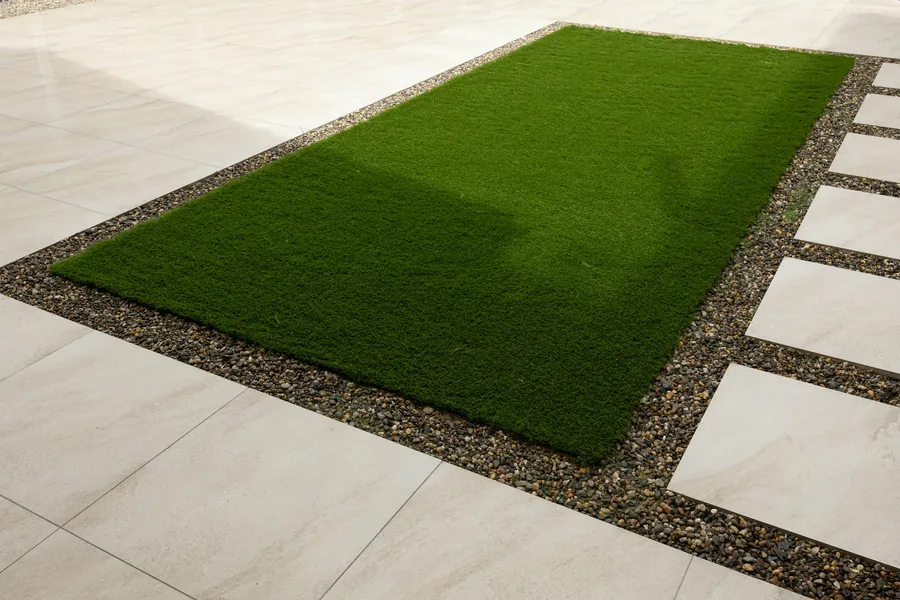
Re-fixing lifted seams, loose edges and small damaged sections before they become a reason to replace the whole lawn.
Lifted seams, loose edges and small damaged sections are usually fixable, and far cheaper than replacement. Left alone they spread, and eventually they are the reason a lawn gets ripped out.
If a lawn genuinely is at the end of its life we will say so, rather than take payment for work that will not change anything.
How a visit works
Five stages, in this order
The order is the job. Skipping the first stage just pushes the dirt further in.
Survey and fixed quote
Send photos and rough dimensions, or we'll call in. Either way you get a fixed price before we start — no day rates and no surprises once the van's on the drive.
Debris extraction
Leaves, moss, grit, pet hair and everything else that has worked down into the pile comes out first. Skipping this step just pushes the dirt further in.
Power brushing
A counter-rotating power brush lifts the pile back upright across the whole lawn. This is the stage that visibly changes how the grass looks.
Treat and sanitise
Antibacterial treatment across the surface, plus enzyme odour treatment and weed or algae control where the lawn needs them.
Infill and finish
Kiln-dried silica sand brushed back in where the level has dropped, then a final groom so the pile sits evenly.
Where
Every service, in every town we cover
These are the towns with a page of their own: Weybridge, Walton-on-Thames, Esher, Cobham, Hersham, Addlestone, Chertsey, Shepperton, Byfleet & West Byfleet, Woking.
Not sure which of those your lawn needs?
Send photos and we will tell you — including if the honest answer is that it needs nothing yet.